
How to Choose the Right Tractor for Your Farm
Choosing the right tractor is a crucial decision for any farmer or landowner. The wrong choice can lead to inefficiency, higher costs, and even safety risks. This guide will help you select the best tractor for your needs based on farm size, tasks, budget, and future needs.
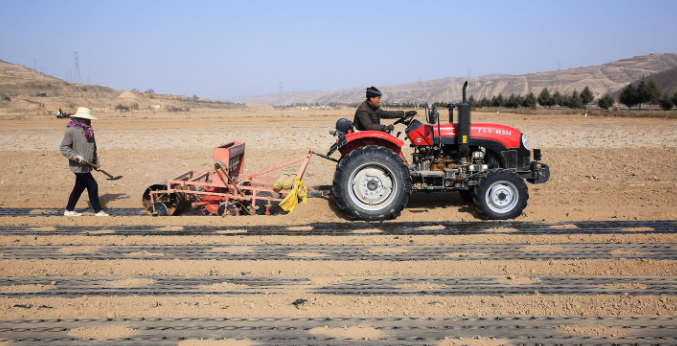
1. Determine Your Tractor’s Primary Use
Different farming tasks require different types of tractors. Ask yourself:
-
Will you use it for plowing, tilling, or harvesting?
-
Do you need a loader for material handling (e.g., moving hay, gravel, or manure)?
-
Will you use attachments like mowers, seeders, or backhoes?
| Tractor Type | Best For | HP Range |
|---|---|---|
| Sub-Compact | Small farms, landscaping, hobby farming | 15-25 HP |
| Compact | Mid-sized farms, orchards, livestock | 25-50 HP |
| Utility | Row-crop farming, heavy-duty tasks | 50-100 HP |
| Row-Crop | Large-scale farming, precision agriculture | 100+ HP |
| Specialty (Orchard/Vineyard) | Narrow spaces, specialty crops | 30-70 HP |
2. Consider Horsepower (HP) & PTO Requirements
-
Engine HP → Determines pulling power (higher HP for heavy-duty tasks).
-
PTO (Power Take-Off) HP → Powers attachments (e.g., mowers, balers).
-
Rule of thumb: 5 HP per foot of implement width (e.g., a 6ft mower needs ~30 PTO HP).
-
3. Choose Between 2WD, 4WD, or Tracks
| Drive Type | Pros | Cons | Best For |
|---|---|---|---|
| 2WD | Cheaper, lighter, better fuel efficiency | Less traction, struggles in mud/slope | Flat, dry fields |
| 4WD (MFWD) | Better traction, handles slopes/mud | Higher cost, more fuel use | Hilly or wet terrain |
| Track Tractors | Superior traction, low ground pressure | Expensive, slower speed | Large-scale row crops, wet soils |
4. Fuel Type: Diesel vs. Electric vs. Alternative Fuels
| Fuel Type | Pros | Cons |
|---|---|---|
| Diesel | High torque, long lifespan, widely available | Emissions, noisy |
| Electric | Zero emissions, low maintenance, quiet | Limited runtime, high upfront cost |
| Biofuel/CNG | Eco-friendly, renewable | Limited availability |
(Electric tractors like the John Deere SESAM and Monarch MK-V are gaining popularity for small to mid-sized farms.)
5. New vs. Used Tractors: Which Is Better?
| Factor | New Tractor | Used Tractor |
|---|---|---|
| Cost | High upfront cost ($30K–$500K+) | Lower cost ($10K–$100K) |
| Warranty | Full coverage (2–5 years) | Limited or none |
| Technology | Latest features (GPS, auto-steer) | Older tech, may need upgrades |
| Maintenance | Minimal repairs initially | Potential hidden issues |
Tip: If buying used, inspect:
✅ Engine hours (under 3,000 ideal)
✅ Hydraulic & transmission condition
✅ Tire wear & leaks
6. Top Tractor Brands in 2024
-
John Deere (Premium, high-tech)
-
Kubota (Reliable compact tractors)
-
Mahindra (Affordable, rugged)
-
Hebei Cloud (Heavy-duty farming)
-
New Holland (Versatile, good for livestock)
(Compare dealer support & parts availability in your region.)
7. Don’t Forget Attachments & Implements
Common tractor attachments:
-
Front-end loader (for moving materials)
-
Rotary mower (for brush clearing)
-
Box blade (for grading land)
-
Post-hole digger (for fencing)
Ensure your tractor’s hydraulic capacity & hitch type (Category 1, 2, or 3) match your implements.
Final Checklist Before Buying
✔ Test-drive different models.
✔ Compare financing options (loans, leases).
✔ Check dealer reputation & service support.
✔ Future-proof (will you expand operations?).
Conclusion
The right tractor depends on your land size, tasks, and budget. A compact utility tractor (25-50 HP) suits most small-to-mid farms, while large row-crop operations need 100+ HP models. Research thoroughly, consult local farmers, and choose a reliable brand with good dealer support.
🔗 Recommended Next Reads:

